
This Webinar Series is Supported by

WSAVA is teaming up with IDEXX to bring you the latest expert-led content – this time on diagnostics in veterinary practice.
This webinar series has been developed in collaboration with our Silver Partner IDEXX, informed by insights from our learning needs survey. The findings highlighted a clear priority within the WSAVA community: strengthening knowledge and practical skills in diagnostic techniques for everyday veterinary practice. This series has been designed to address those needs with relevant, real-world content.
To explore each session, meet the speakers and register, please follow the links below. If you’re unable to join live, you can still register to access the recordings on demand.
In this session we will look at some of the less well-known endocrine emergencies in dogs and cats. These include phaeochromocytoma crisis, insulinoma and euglycaemic ketoacidosis in cats. Failure to promptly identify these uncommon endocrine emergencies can lead to poor patient outcome; it is vital to obtain a definitive diagnosis so that appropriate treatment can be initiated as soon as possible. A brief overview of presenting signs will be followed by a discussion of the appropriate diagnostic steps for each condition, including clinicopathological testing and imaging. We will also discuss some potential pre-analytical pitfalls and how to avoid them. Stabilisation and emergency treatment protocols will be briefly covered along with prognostic considerations.

Gastrointestinal imaging got you stumped? In this talk, you will get the tools to sharpen your skills in interpreting basic GI imaging with confidence. Using practical case examples, this talk will highlight key principles for evaluating the gastrointestinal tract, helping you feel more prepared and less stressed for your next patient with GI distress!


Cancer remains one of the top causes of morbidity and mortality of companion animals. This presentation provides an overview of the optimal approach to managing patients with suspected cancer and patients being treated for cancer that are in decline. We will discuss initial diagnostics and stabilization, from presentation to discharge from the hospital, with case examples. Emphasis will be placed on identifying key clinical and laboratory abnormalities, providing supportive care while avoiding compromise of future therapeutic options or diagnostics IF clients elect advanced management or referral. The session will also address common pitfalls in early management that may limit referral options or affect prognosis. Designed for general practitioners and emergency veterinarians, this course will equip clinicians with practical strategies to ensure the best possible outcomes for cancer patients at every stage of care.

Referral to a cardiologist is not always possible or necessary in patients with suspected cardiac disease. The first half of this session will discuss the usefulness and limitations of the most available diagnostic tests for cardiac disease in first opinion practice. The second half will discuss how to use these diagnostic tests in the most common cardiac conditions seen in dogs and cats.
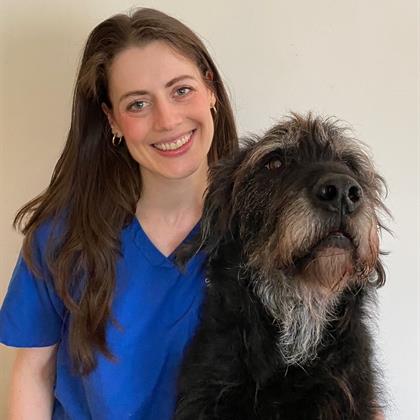
Ever feel like pathology reports leave you with more questions than answers? Wondering what to do when results are inconclusive or when they don’t match your clinical picture? This fast-paced, practical session brings together a boarded oncologist and pathologist for a candid, case-based conversation about how to get the most out of your diagnostics and your specialists.
We’ll share our “two cents” on the most common (and confusing) scenarios in real-world oncology and pathology, including:
• What to do when results are unexpected or “non-diagnostic”
• Why some samples don’t yield definitive answers—and how to prepare clients for that
• When and how to pursue add-on testing or correlate with clinical findings
• Tips for submitting samples that set your pathologist up for success
• How to make your pathologist an extended member of your care team
Expect practical pearls, real cases, and plenty of back-and-forth discussion. Whether you’re submitting your first biopsy or your hundredth, this session will help you sharpen your diagnostic strategy and strengthen your specialist relationships.


Cookies are small files stored on your device. We use them to make our site work and to learn how people use it. You can update your choice anytime using the “Cookie settings” link at the bottom of the page. Your current choice will apply until you change it.
We are only able to respond to inquiries form veterinary professionals. We encourage pet owners to contact a local veterinarian.
Please select what your message is about so we can direct it to the right person: