TGG Co-Chair Luca Guardabassi reflects on the importance of upgrading the concept of antimicrobial stewardship in companion animal veterinary practice
Antibiotics are a force for global public good. They are indispensable for controlling and preventing bacterial diseases that would otherwise be incurable in people, as well as in companion animals.
Antibiotics do, however, have a downside in that their use selects resistant bacteria that can hamper the efficacy of shelf life of these drugs over time. There’s the added problem that antimicrobial use in companion animals has potential implications for public and occupational health as resistant bacteria in companion animals can be transmitted to owners and veterinary staff.

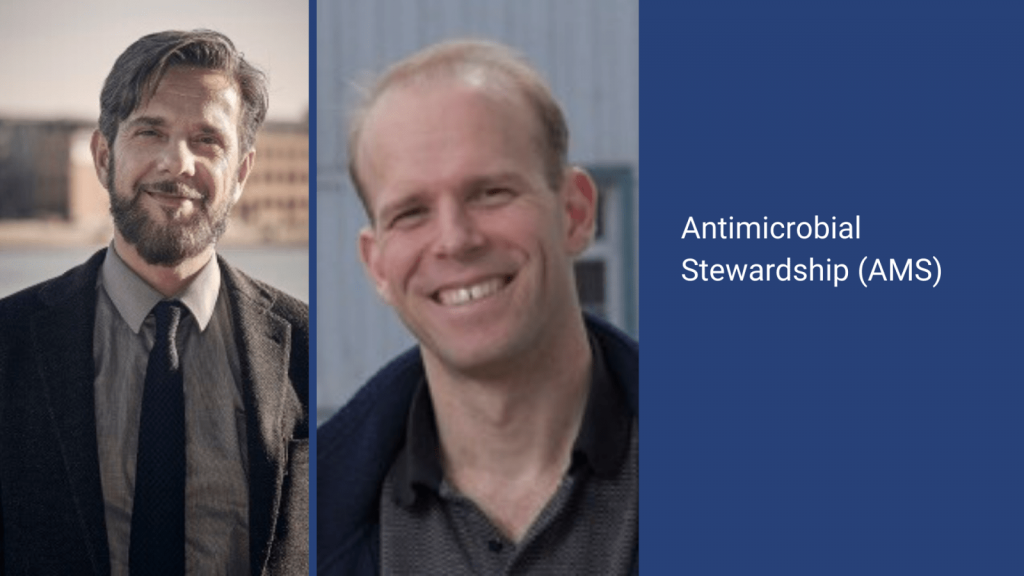
Dr Luca Guardabassi
In view of this, it is important to rationalize the use of these essential medicines, maximizing clinical efficacy while minimizing the spread of resistance. In other words, if two drugs have comparable efficacy for treating a specific disease, the veterinarian should prioritize the drug that offers the lesser risk of selecting antibiotic resistance phenotypes of clinical and zoonotic relevance. This is no easy task because it requires broad knowledge, ranging from infectious diseases to pharmacology and microbiology, complemented with an awareness of the critical importance of the different antibiotic classes in human medicine. It also requires local monitoring and the continuous evaluation of antimicrobial use and antimicrobial resistance at the clinic level.
Some of these skills are not delivered as ‘day one competencies’ to graduating students by the current veterinary education core curriculum. This is why continuing education on antimicrobial stewardship (AMS) is essential to rationalise antibiotic use in veterinary practice.

The world is engaged in a collective effort to improve antimicrobial use in the veterinary sector via national and regional interventions aimed at reducing overall consumption and restricting the use of specific antimicrobials of high critical importance in human medicine. This top-down approach is effective in rationalizing antimicrobial use in livestock production, where resistance rates in bacterial pathogens are relatively low and the main drive of AMS is to mitigate health risks to food consumers and farm workers.
This approach is, however, inadequate to address the clinical needs and patient care requirements associated with the increasing occurrence of multi-drug-resistant bacterial infections in companion animals – a situation which has important consequences for animal health and welfare. The peculiarities of companion animal practice require a bottom-up approach based on the implementation of AMS program at the clinic level, which should be tailored both to the clinic’s infection control program and to national surveillance systems.
Any veterinary clinic should have an AMS team, led by a veterinarian with competency in AMS, and comprising representatives of all professionals involved in animal care. The AMS team should develop written antibiotic formularies ribing first, second and third tier drugs for each bacterial disease according to national guidelines, to monitor antibiotic use and resistance trends at the clinic level, and to adjust the formularies using the analysis of these surveillance data, exactly as it is done in human hospitals. The AMS team should also define measurable targets and interventions to improve local patterns of antibiotic use. Examples of interventions could include corrections of irrational antibiotic prescription trends, as well as antibiotic de-escalation and rotation strategies.
To meet the increasing demand for education on AMS, TGG member Dr Scott Weese is organizing an online course for companion animal practitioners in collaboration with WSAVA affiliate member, HealthforAnimals. It will employ a case-based learning approach to show how responsible antibiotic use can effectively be implemented in veterinary practice and will be launched before the end of 2020.

Dr Scott Weese